
Key milestones are shown below. (Click the relevant year or title to expand)
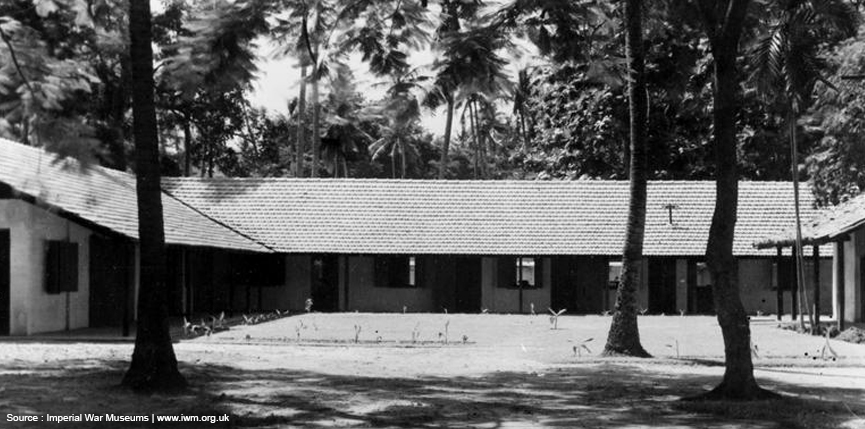
The first antimalaria center in the country was set up at the town of Kurunegala in Sri Lanka (known as Ceylon before mid-1972).
S.P. James and S.T. Gunasekera first incriminated the mosquito Anopheles culicifacies as the vector of malaria in the country.
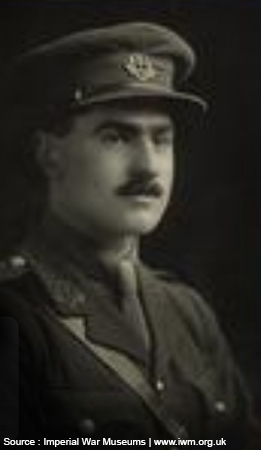
Henry F. Carter was appointed as the first malariologist in the country. Until his retirement in the 1950s. Carter made an enormous contribution to malariology in the country. vector-control measures started in 1921 and consisted mainly of draining, filling, clearing and oiling of actual and potential breeding places and the introduction of larvivorous fish
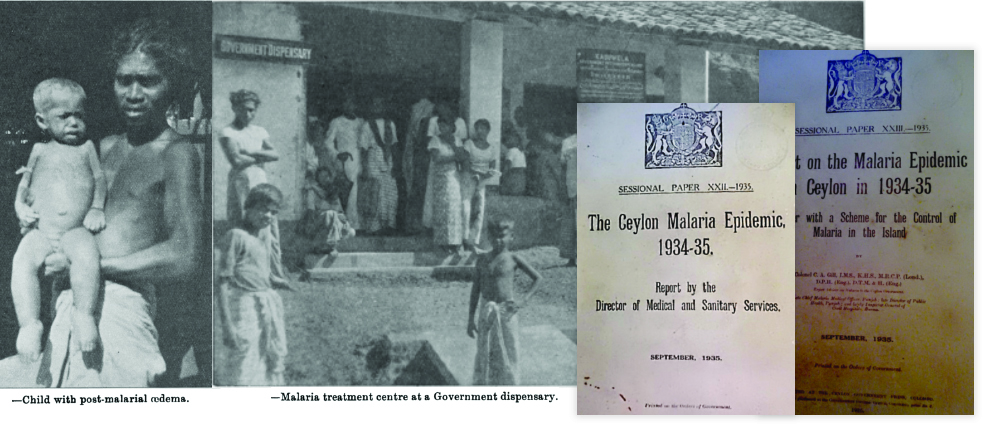
The epidemic is the greatest pestilence in the recorded history of the island. It destroyed 80,000 live in seven months. violence of the epidemic was extreme; scarcely a single individual escaped. The havoc caused by the epidemic was not limited to the sickness and death. The epidemic in short was a catastrophe of the first magnitude...
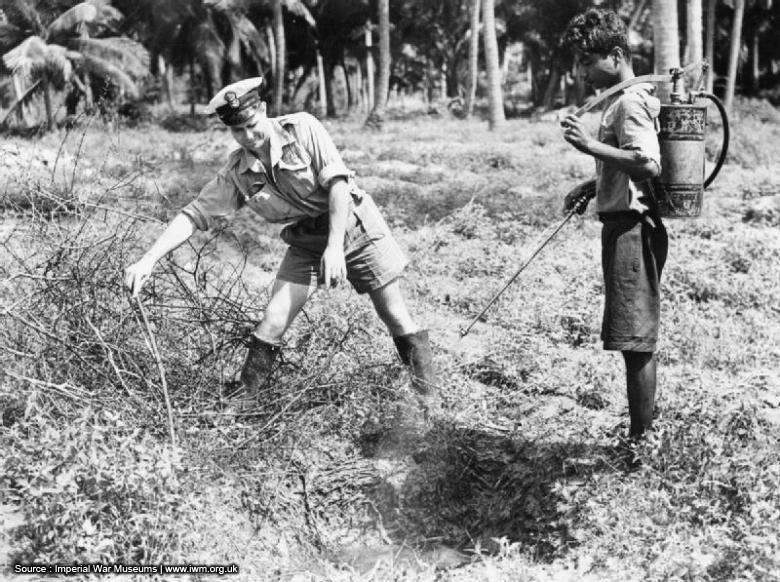
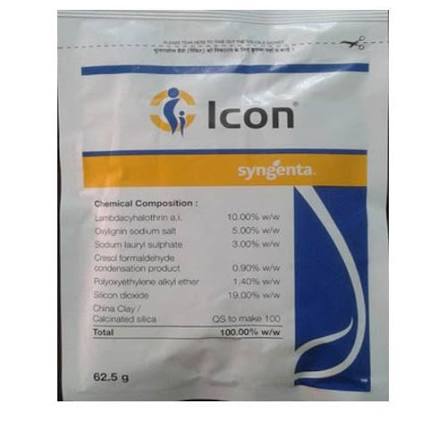
With the introduction of DDT in 1946, malaria morbidity and mortality declined steadily. In 1955, the World Health Organization (WHO) declared the goal of global eradication of malaria with a four-phase program: preparatory, attack, consolidation, and maintenance
With a declining trend in malaria transmission in Sri Lanka in the 1950s, which was in most part due to the use of indoor residual spraying of DDT, the adoption of an eradication programme was seen as a natural continuation of earlier efforts...
In 1963, parasite incidence reached a remarkably low-point with only 17 cases of malaria, which included only six indigenous cases (rest were imported). Given the favorable indicators, in April, 1963, spraying was halted throughout the country except for barrier spraying around jungle areas...
With elimination around the corner, Sri Lankan government authorities became complacent and made a disastrous mistake. Continuous vigilance was not maintained and control measures were reduced...
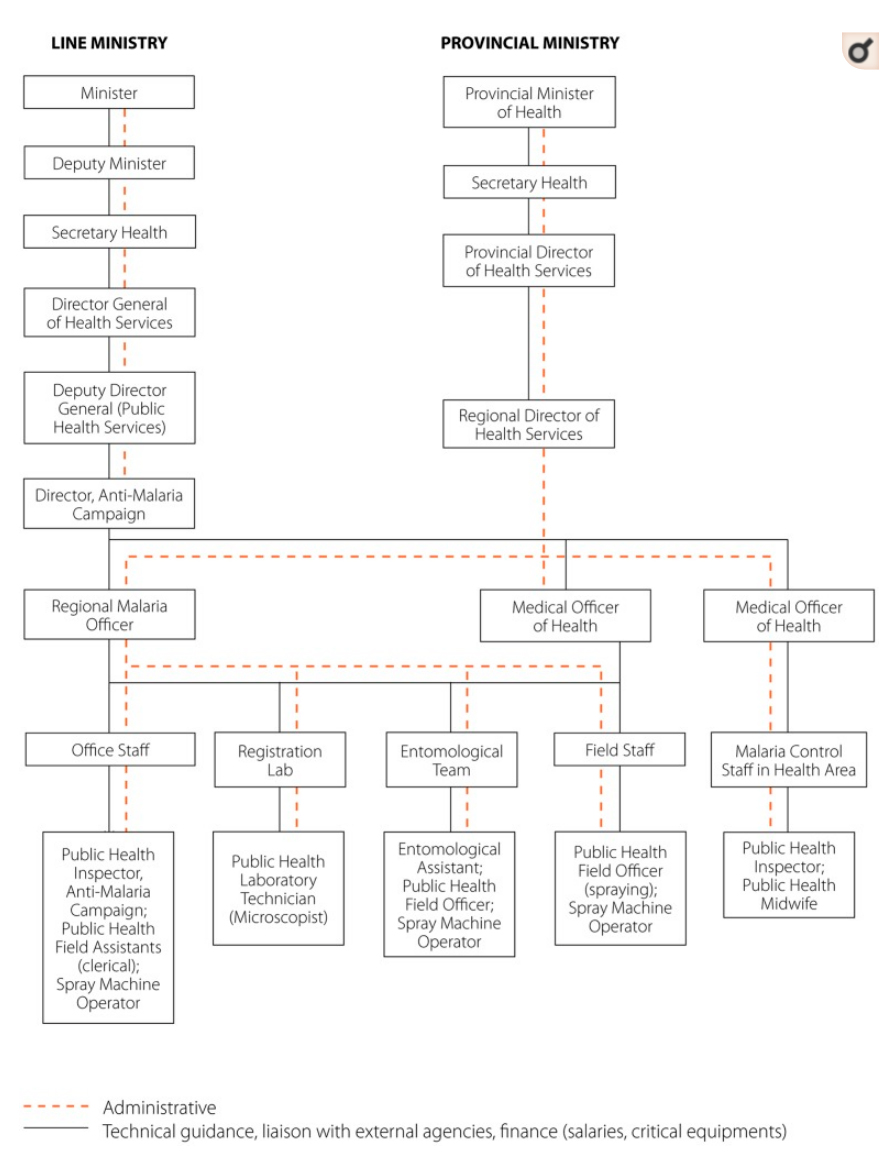
The Anti-Malaria Campaign (AMC) Directorate in Colombo guides and coordinates all malaria control activities. Under the purview of the AMC is formulation of national malaria control policy, monitoring national malaria trends, technical guidance to subnational malaria control programmes...
However, in 1999, with the support of the Roll Back Malaria Partnership, the Sri Lankan government began to reinforce control measures, and managed to successfully reduce the occurrence of malaria by 68% in 2000-2001 alone...
When the armed conflict ended in 2009, the Malaria Elimination Project, aiming for elimination by 2014, was launched the same year. In 2011, only 175 cases were reported, a decrease of 99.9% from the 1999 level... The last indigenous case of malaria was reported in October 2012.
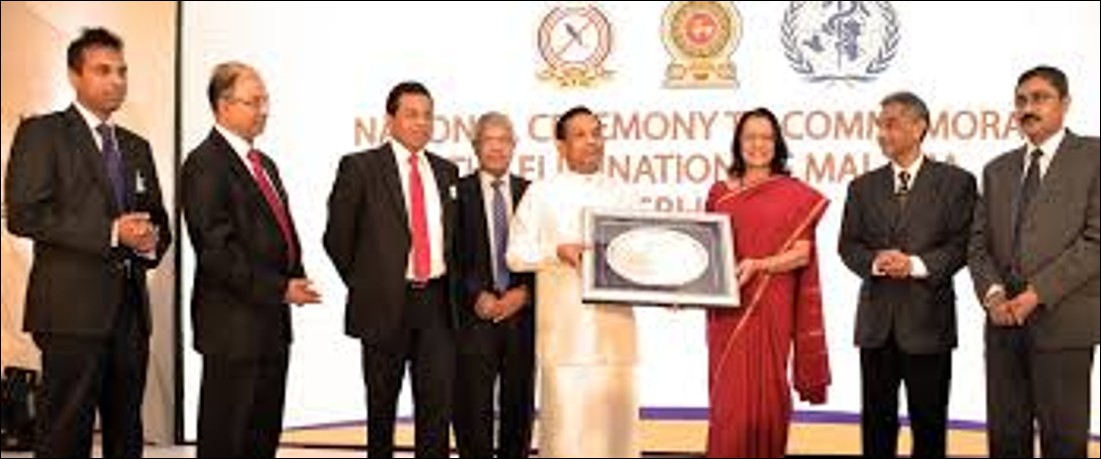
Sri Lanka was declared malaria-free on 5 September 2016 by the World Health Organization. This success was the result of over a century of efforts that combined disease surveillance, vector control and treatment...