
මැලේරියා මර්දන ව්‍යාපාරයේ ඉතිහාසය

මැලේරියා මර්දන ව්‍යාපාරයේ ඉතිහාසය - ශ්‍රී ලංකාව

ප්‍රධාන සන්ධිස්ථාන පහත දැක්වේ. (විස්තර බැලීමට අදාළ වර්ෂය හෝ මාතෘකාව මත ක්ලික් කරන්න)
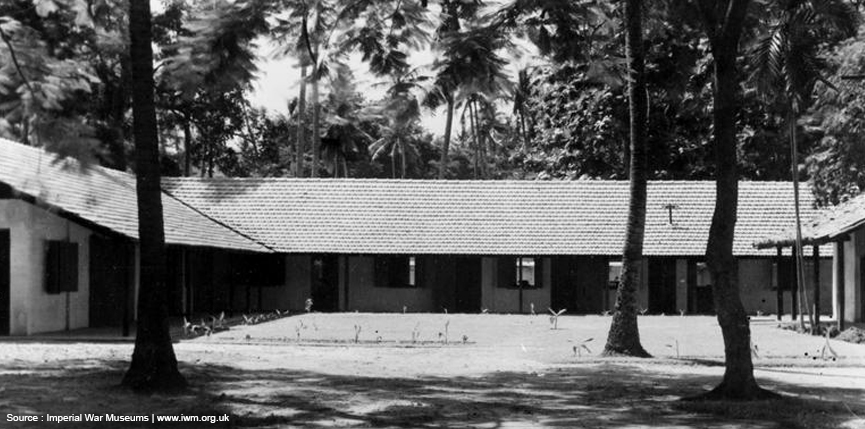
1911

මැලේරියා මර්දන ව්‍යාපාරය පිහිටුවීම

Timeline Image
ශ්‍රී ලංකාවේ (1972 මැද භාගයට පෙර ලංකාව ලෙස හැඳින්වූ) ප්‍රථම මැලේරියා මර්දන මධ්‍යස්ථානය කුරුණෑගල නගරයේ පිහිටුවන ලදී.
1913

ක්‍රියාකාරකම් පුළුල් කිරීම

මෙරට මැලේරියා රෝග වාහකයා ලෙස *Anopheles culicifacies* මදුරුවා මුලින්ම හඳුනාගනු ලැබුවේ S. P. ජේම්ස් සහ S. T. ගුණසේකර විසිනි.
1921

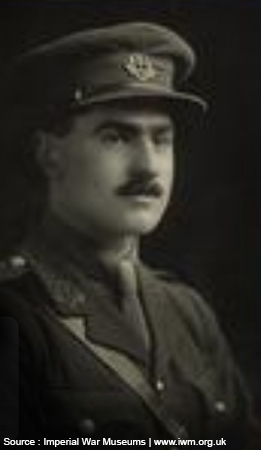
පළමු මැලේරියා විද්‍යාඥයා

Timeline Image
-
1934/35

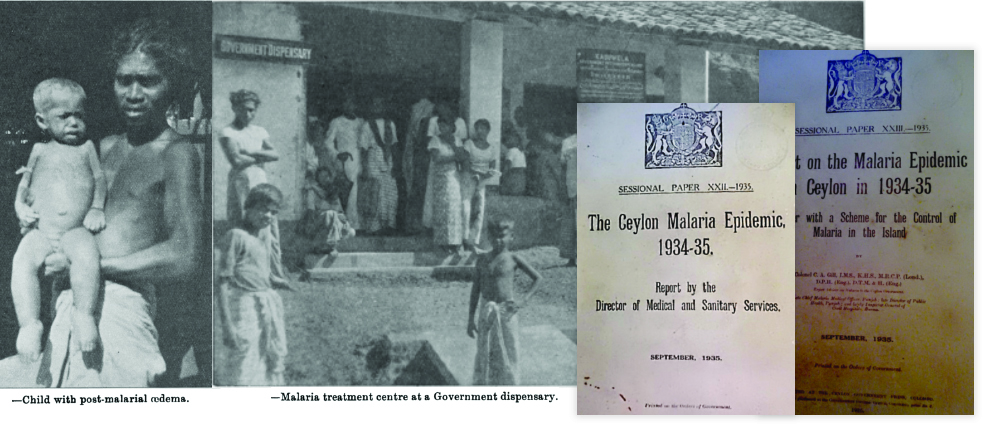
විනාශකාරී වසංගතය

Timeline Image
-
1946

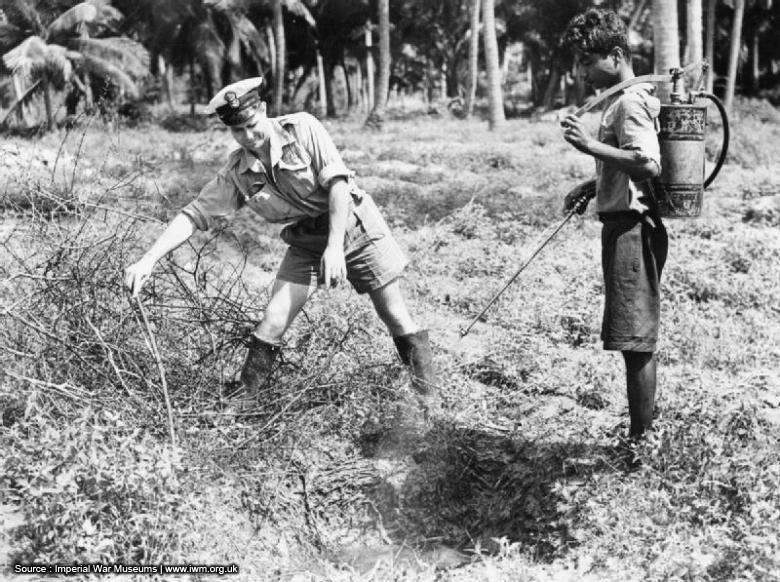
DDT හඳුන්වාදීම

Timeline Image
-
1958

මැලේරියාව මුලිනුපුටා දැමීමේ වැඩසටහන ආරම්භය

-
1963

මුලිනුපුටා දැමීමට ආසන්න වීම

-
1967/68

නැවත මැලේරියා රෝගය මතු වීම

-
1969

An.culicifacies හි DDT ප්‍රතිරෝධය මුලින්ම අනාවරණය විය

In 1969, potential resistance to DDT was detected by the Anti-Malaria Campaign, which is believed to be a major cause for the resurgence of malaria island-wide. By 1974, DDT resistance was established in all vector species. Public opposition to indoor DDT spraying also contributed to vector control failure. Consequently, selective residual spraying under strict supervision was adopted.
1975

මැලතියන් හඳුන්වාදීම

In 1975, Indoor Residual Spraying (IRS) with Malathion was phased in across high P. falciparum areas in Uva Province. In 1976, after 30 years, DDT spraying was officially discontinued island-wide and replaced by Malathion. The government banned agricultural import and use of Malathion and Fenitrothion to delay vector resistance.
1984

ක්ලෝරෝක්වින්-ප්‍රතිරෝධී P.falciparum මුලින්ම අනාවරණය වීම

First detection of Chloroquine-resistant Plasmodium falciparum in Sri Lanka.
1989

මැලේරියා නාශක ව්‍යාපාරයේ ක්‍රියාකාරකම් විමධ්‍යගත කිරීම

Timeline Image
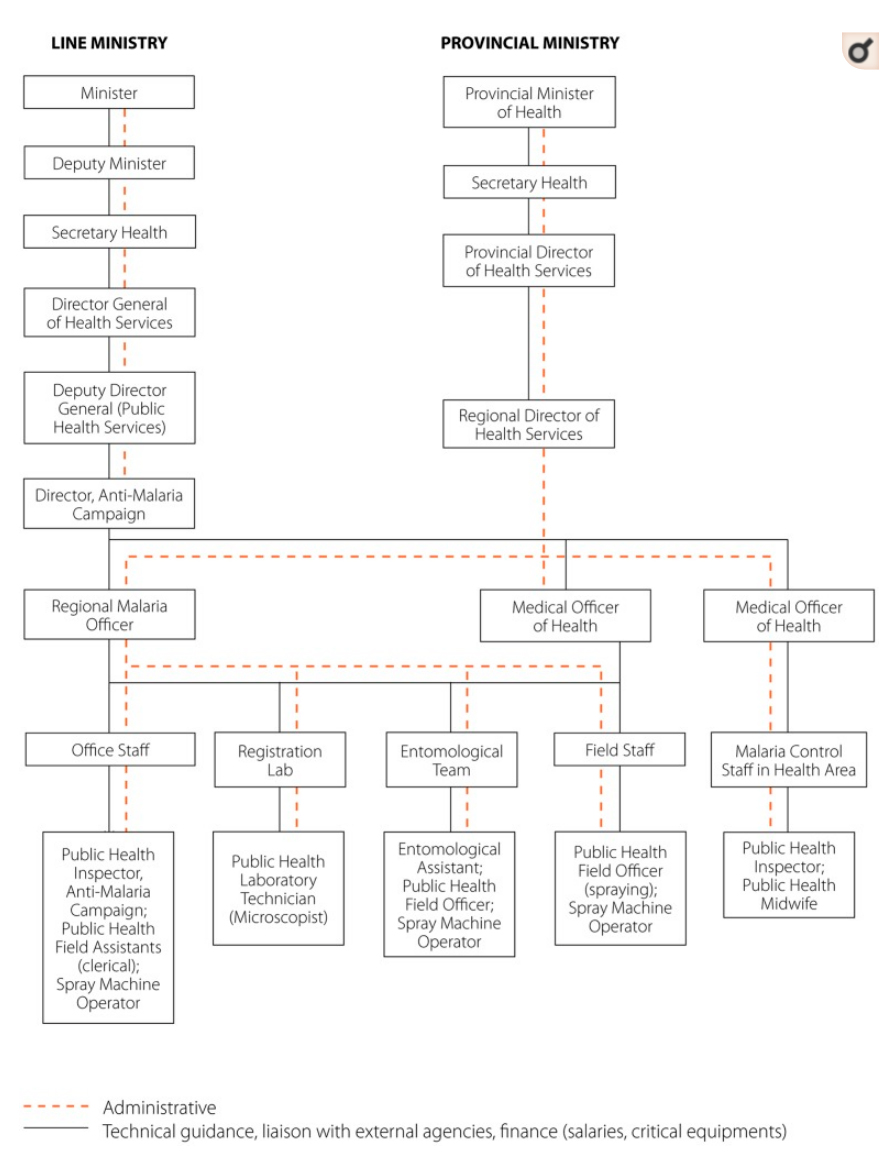
The Anti-Malaria Campaign (AMC) Directorate in Colombo guides and coordinates all malaria control activities. Under the purview of the AMC is formulation of national malaria control policy, monitoring national malaria trends, technical guidance to subnational malaria control programmes...
1992

An.culicifacies හි පුළුල් ලෙස පැතිරුණු මැලතියන් ප්‍රතිරෝධය අනාවරණය වීම

Widespread Malathion resistance detected in Anopheles culicifacies.
1994

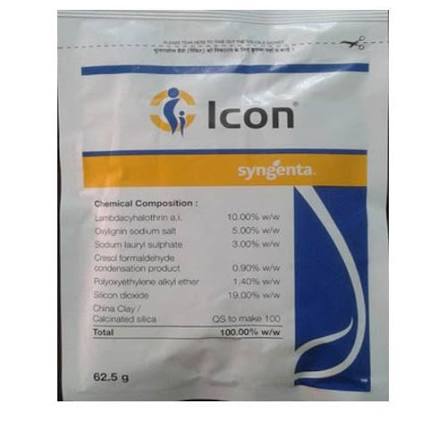
Lamba Cyhalothrin හඳුන්වාදීම

Introduction of Lambda-cyhalothrin in Kurunegala and Fenitrothion in Puttalam following pesticide rotation guidelines.
1996-7

IRS උපාය මාර්ගය ඉලක්ක කරගත් ඉසින (ඉහළ අවදානම් සහිත ප්‍රදේශ) වෙත මාරු කිරීම

Timeline Image
Shift from blanket spraying to targeted spraying in high-risk transmission areas.
1998

ලෝක බැංකු ව්‍යාපෘතිය ආරම්භ කරන ලදී

Launch of the World Bank-assisted Malaria Control Project to strengthen decentralization and technical capacity.
1999

RBM මුලපිරීම දියත් කරන ලදී

Timeline Image
However, in 1999, with the support of the Roll Back Malaria Partnership, the Sri Lankan government began to reinforce control measures, and managed to successfully reduce the occurrence of malaria by 68% in 2000-2001 alone...
2003

ගෝලීය අරමුදල් සහාය ආරම්භ වේ

Timeline Image
Global Fund (GFATM) support commenced, providing grants for the first-ever procurement and distribution of LLINs in Sri Lanka.
2007

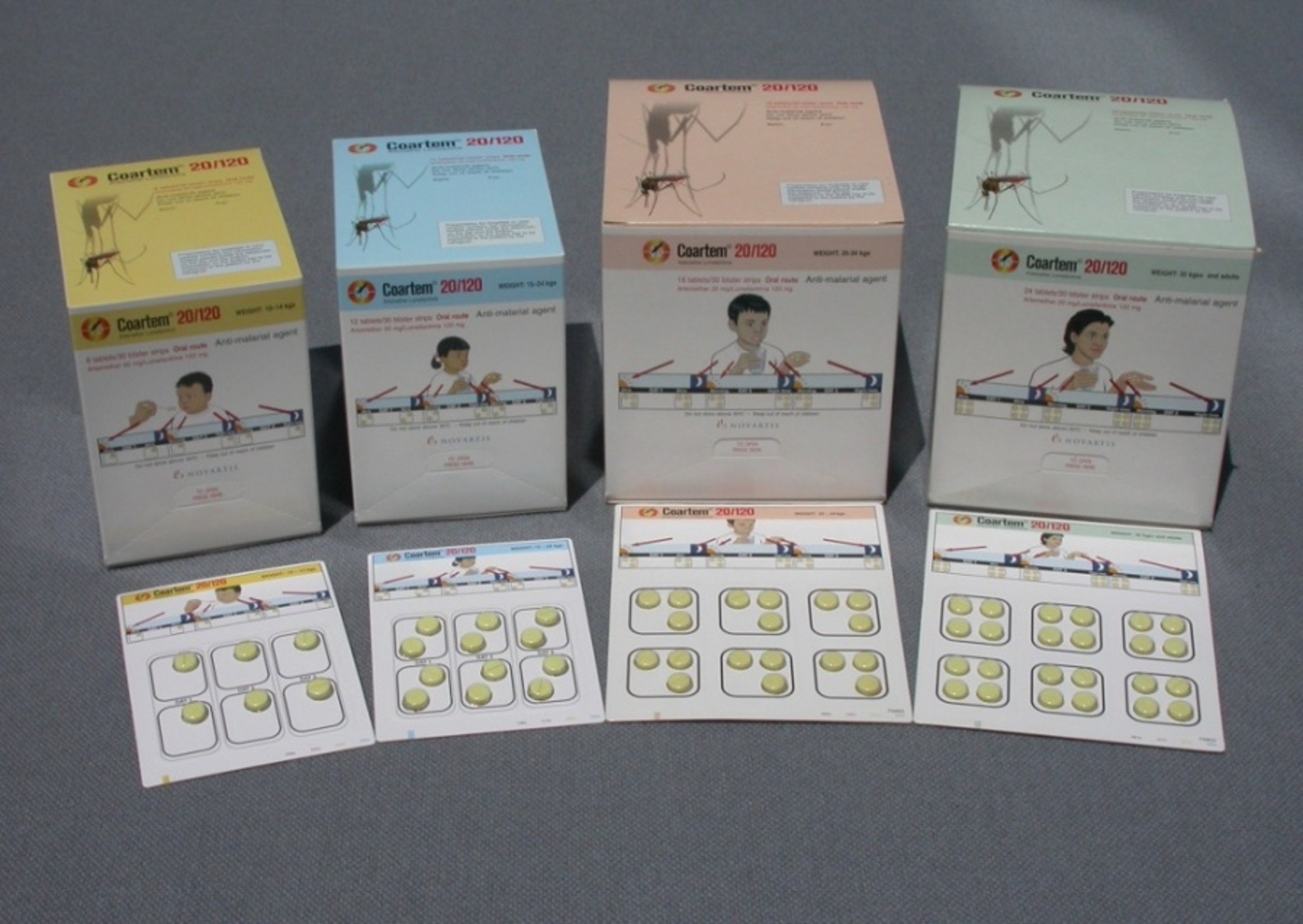
ACT හඳුන්වා දෙන ලදී

Timeline Image
Introduction of Artemisinin-based Combination Therapy (ACT) for uncomplicated P. falciparum malaria treatment.
2012

තුරන් කිරීමේ අදියර

-
2016

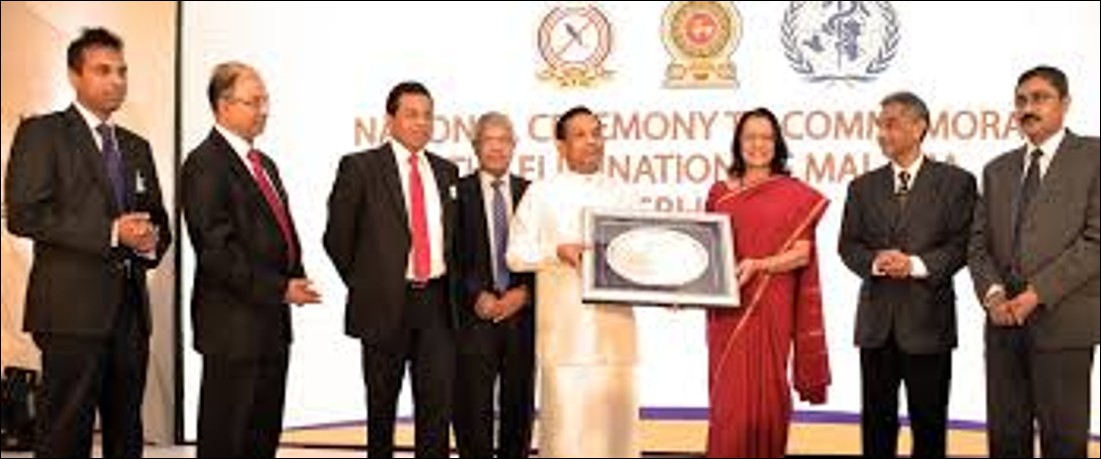
WHO සහතික කිරීම

Timeline Image
-